Contents
KTRL and behavioural timing methods involve different choices. Behavioural methods concern stimulation, pace and pauses; KTRL adds rhythmic physical sensation through external skin contact. You can explore pacing without buying a patch. Choosing a sensory product adds preparation and use limits, while decisions about slowing down, pausing or stopping remain yours.
By KTRL | Updated: 12 October 2026
KTRL vs behavioural timing methods: what changes?
The main difference is what you participate in: making deliberate pacing choices, experiencing added sensation, or choosing both for separate reasons. Buying a patch does not make communication or pacing automatic.
Behavioural practice does not require a patch
Stop-start, also called stop-go, involves pausing stimulation as the urge to ejaculate approaches and resuming after the urge subsides. The NHS describes it in the context of psychosexual counselling and notes that practice is needed. Its explanation is a useful starting point for understanding the technique. 1
You do not need KTRL to explore pacing or agreed pauses. That does not mean all counselling or professional care is free. Ordinary requests to slow down, change an activity or stop can also be personal preferences, without becoming a therapeutic exercise.
If you want to follow a specific therapeutic method, use reliable instructions or qualified guidance. Everyone involved must remain willing to continue; a practice plan never overrides pain, anxiety, pressure or withdrawn consent.
KTRL adds sensation and a product routine
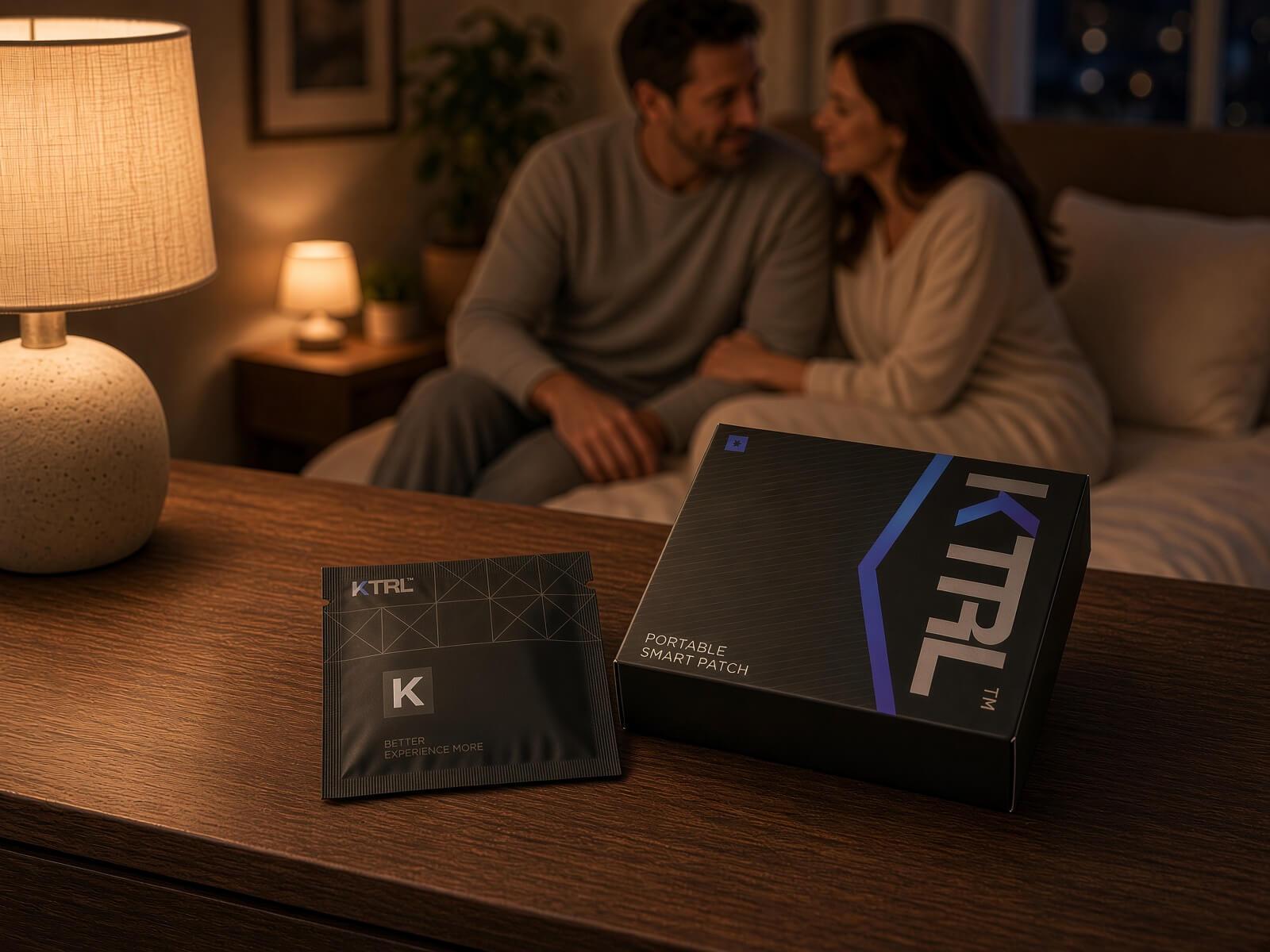
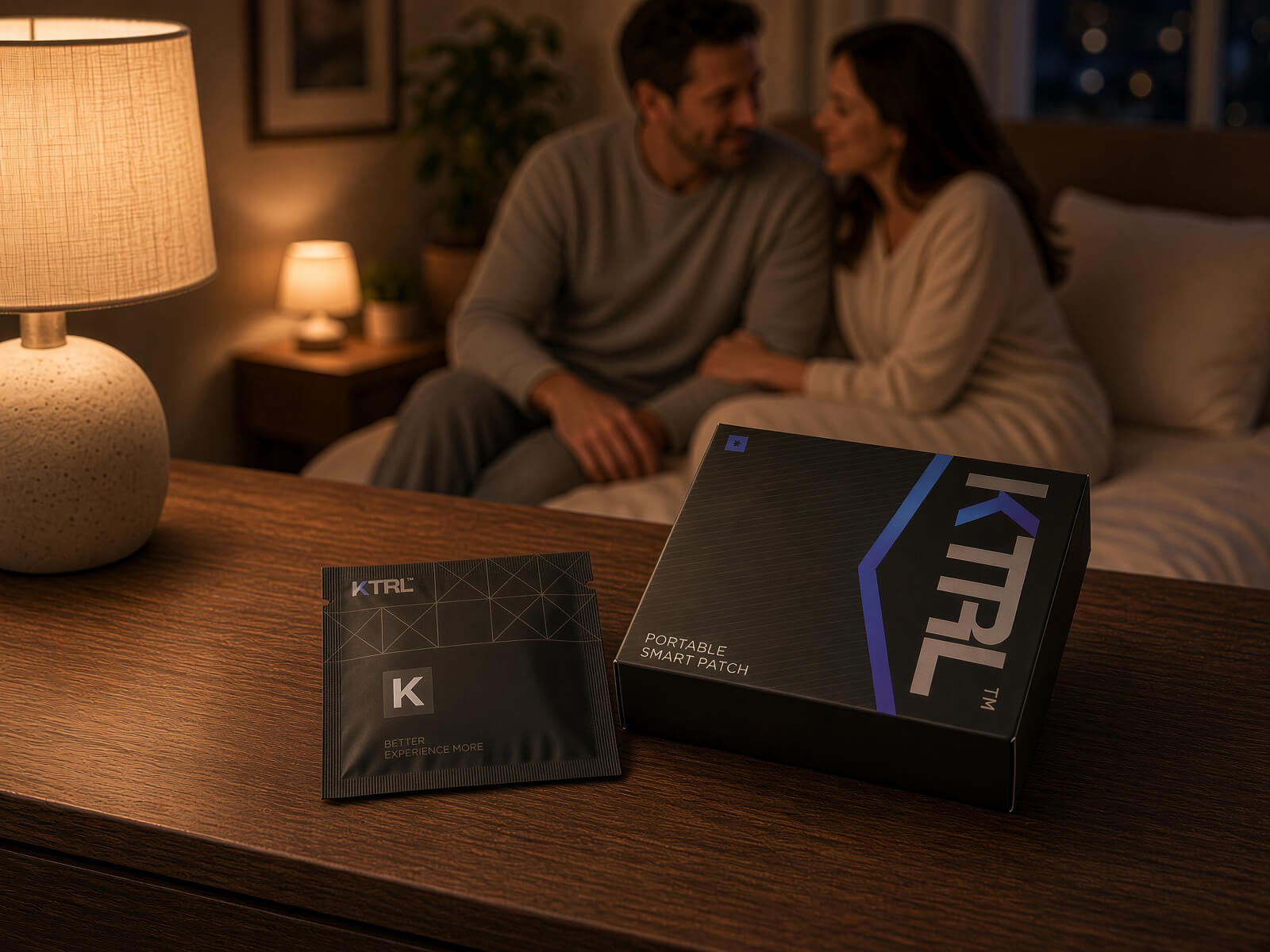
KTRL Portable Smart Patch, model WDC201, is a single-use consumer electronic product for men aged 18–60, inclusive. It creates rhythmic physical sensation through controlled electrical pulses and external skin contact. It is self-contained, with built-in, non-rechargeable power and no charging cable, app or separate controller to connect. 3
KTRL is not a medical device and is not intended to diagnose, treat, alleviate, monitor or prevent a disease or medical condition. Its format does not establish awareness training or improved ejaculation control. Do not rely on the rhythm to identify an arousal threshold or tell you when to stop.
Compare the participation each option requires QuestionBehavioural practice without a patchKTRL's sensory format Main activityChoose the pace, stimulation and pauses.Experience added rhythm while still making your own choices. Is KTRL required?No.One fresh patch is required for each use. PreparationAgree on what is wanted; understand the guidance for a specific technique.Check all restrictions and follow the product instructions. Who decides when to pause?The people involved.The people involved; the patch does not replace consent or judgement. What needs attention?Comfort, willingness to continue and relevant professional guidance.The same considerations, plus product condition and cumulative powered-on time. AfterwardsConsider whether the practice was wanted and manageable.End use as directed; consider the sensation and the product routine separately.What NHS and EAU guidance can tell you
Clinical evidence must stay attached to the intervention studied. A description of stop-start, evidence for a particular combined treatment and a preference for a patch's rhythm answer different questions.
Technique guidance and treatment evidence have different roles
The NHS explains what stop-go involves, why practice matters and when an ejaculation concern warrants assessment. Describing a method does not mean everyone will obtain the same result. 1
The European Association of Urology (EAU), in its 2026 guidance on disorders of ejaculation, describes the evidence for psychosexual interventions for premature ejaculation as weak and inconsistent, with long-term outcomes in that context unknown. It also discusses supporting research for specific combinations, including start-stop with psychoeducation and mindfulness, and psychosexual interventions combined with medicines. 2
These are not interchangeable findings: they neither guarantee that every behavioural method will work nor justify dismissing all behavioural care. The interventions and clinical context matter when interpreting the results.
Clinical combination studies do not establish a KTRL benefit
The NHS and EAU sources do not establish that adding KTRL makes stop-start more effective. Their clinical findings cannot be transferred to a consumer sensory patch that was not the intervention studied. KTRL's instructions explain handling and restrictions, rather than demonstrate clinical effectiveness.
Enjoying a rhythm or preferring a slower pace during one occasion is a personal observation. It does not establish a lasting change or a treatment effect. Neither option should be chosen on a promise of a particular intercourse duration, erection or orgasm response.
Choose according to your goal and the effort involved
Decide whether you want to practise pacing, try added sensation or get help with a concern before considering a purchase. The useful question is what the next step involves for you.
If you want to explore pacing: start with freely agreed choices about slowing down or pausing. For a therapeutic technique, seek suitable guidance. A patch is not required.
If you specifically want added sensation: consider whether you want an external, single-use product and can follow its preparation, comfort checks and time limit. Choosing against that format is also a valid decision.
If you have a persistent, distressing or new ejaculation concern: seek qualified healthcare advice. The NHS recommends seeing a GP for a persistent problem. A comparison cannot identify its cause or choose treatment for you. 1
After an experience, separate three questions: Did the pace feel comfortable? Did you want the added sensation? Was the preparation and product routine manageable? You may like one part and dislike another. The guide to first-use expectations expands on comfort, rhythm and personal value without turning the occasion into a performance test.
If you choose KTRL, keep its use limits separate
Pacing choices do not change KTRL's instructions. Read the full suitability and use restrictions before use, and do not use the patch if a prohibited-use condition applies. Seek qualified advice about a health restriction and KTRL Support for an unclear product instruction.
A pause does not reset powered-on time
The maximum is 30 minutes of cumulative powered-on time during the same use. Pausing activity while the patch remains on still counts. Switched-off time does not count, and restarting continues the previous total. Track the total yourself and finish earlier whenever you choose. The limit is not a target duration for sex or behavioural practice. 3
Comfort and handling rules still apply
For an adhesion or positioning adjustment during the same use, switch off before removing and reattaching the patch. This does not permit reuse in a later session. Gentle bending to fit the skin is allowed; excessive bending, folding, altered placement or product modifications are not.
For pain, stinging, burning, redness, swelling, itching or other obvious discomfort, stop immediately, switch off and remove the patch as directed. If discomfort persists, discontinue further use and consult a qualified professional. Stop using an abnormal or malfunctioning product and contact support.
For the practical details, read KTRL with pacing, pauses and stop-start techniques. A planned routine never takes priority over consent, comfort or product restrictions.
Frequently asked questions
Do I need to buy KTRL to try stop-start?
No. Stop-start is a behavioural method and does not require KTRL. Use reliable guidance for a specific therapeutic technique; professional counselling or care may have its own cost.
Will KTRL tell me when to pause?
Do not use its sensation to determine an arousal threshold or when to stop. You may personally associate a rhythm with checking how you feel, but decisions about continuing remain with the people involved.
Is KTRL plus stop-start more effective than practice alone?
The NHS and EAU evidence discussed here does not establish that comparison. Studies of other combined clinical interventions are not evidence of an added KTRL benefit.
References
Public sources checked on 12 October 2026. NHS and EAU guidance provides the clinical context; product handling information comes from KTRL. Citing either clinical source does not imply that the organisation reviewed this article or endorsed KTRL.
NHS. Ejaculation problems. Psychosexual counselling, stop-go and advice about persistent concerns. Page last reviewed 9 February 2023.
European Association of Urology. EAU Guidelines on Sexual and Reproductive Health: Disorders of Ejaculation, 2026 edition. Sections 6.2.6 and 6.2.6.a distinguish overall evidence limitations from findings for specific psychosexual interventions.
KTRL. WDC201 User Guide. Current product purpose, restrictions, cumulative powered-on time and single-use handling; company-provided instructions, not independent clinical testing.