Contents
Some people speed up because they worry that an erection will fade if they pause or change activity. That can make the experience feel like a race rather than a freely chosen pace. The worry does not prove that an erection problem is psychological, and rushing does not identify its cause. You can describe the sequence, ask what both people want and seek appropriate advice without turning firmness into a test.
By KTRL | Updated:13 October 2026
Fear, checking and rushing: one possible pattern
A person may notice an erection, worry about losing it, repeatedly check firmness and choose a faster pace. A partner may then be unsure whether a pause is welcome. This illustrates how pressure might arise; it is not a finding about every man or an account from a product study.
What the sequence may and may not tell you
The NIDDK guidance on symptoms and causes of erection difficulties identifies difficulty getting an erection and difficulty maintaining one as relevant symptoms. It describes physical, medicine-related, emotional and lifestyle contributors. Anxiety can be relevant without being the only explanation.
A faster pace may coincide with an ejaculation experience you did not want, but one occasion cannot diagnose an ejaculation disorder. Fear about firmness and concern about timing can overlap; neither should automatically be reduced to the other.
For the specific pattern of an erection becoming less firm after it begins, read what to note when an erection changes during sex.
Ask what pace you actually want
You do not have to slow down to a prescribed speed or prove that you can pause without losing firmness. You can ask for a change, continue an activity you both want or stop altogether.
Three questions for reflection
What do I want right now? Continue, change activity, pause or finish are all possible answers.
Am I choosing this pace or reacting to fear? Noticing fear is information for a conversation, not proof of a diagnosis.
Does the other person want the same activity? Check directly rather than interpreting movement or an erection as consent.
These questions need no product and no repeated rating schedule. If checking makes you more preoccupied, leave the exercise and focus on communicating or ending the activity.
Use words that do not demand a physical result
You might say: “I notice I am rushing because I am worried. Can we decide together what we want to do?”
A partner might reply: “We can pause or finish. You do not have to keep an erection to prove that you want me.”
These are suggested words, not a promise that conversation will change sexual function. A partner should not become a firmness monitor or be expected to provide treatment. Consent to an activity is not consent to being evaluated or to using a product.
What KTRL WDC201 does and does not establish
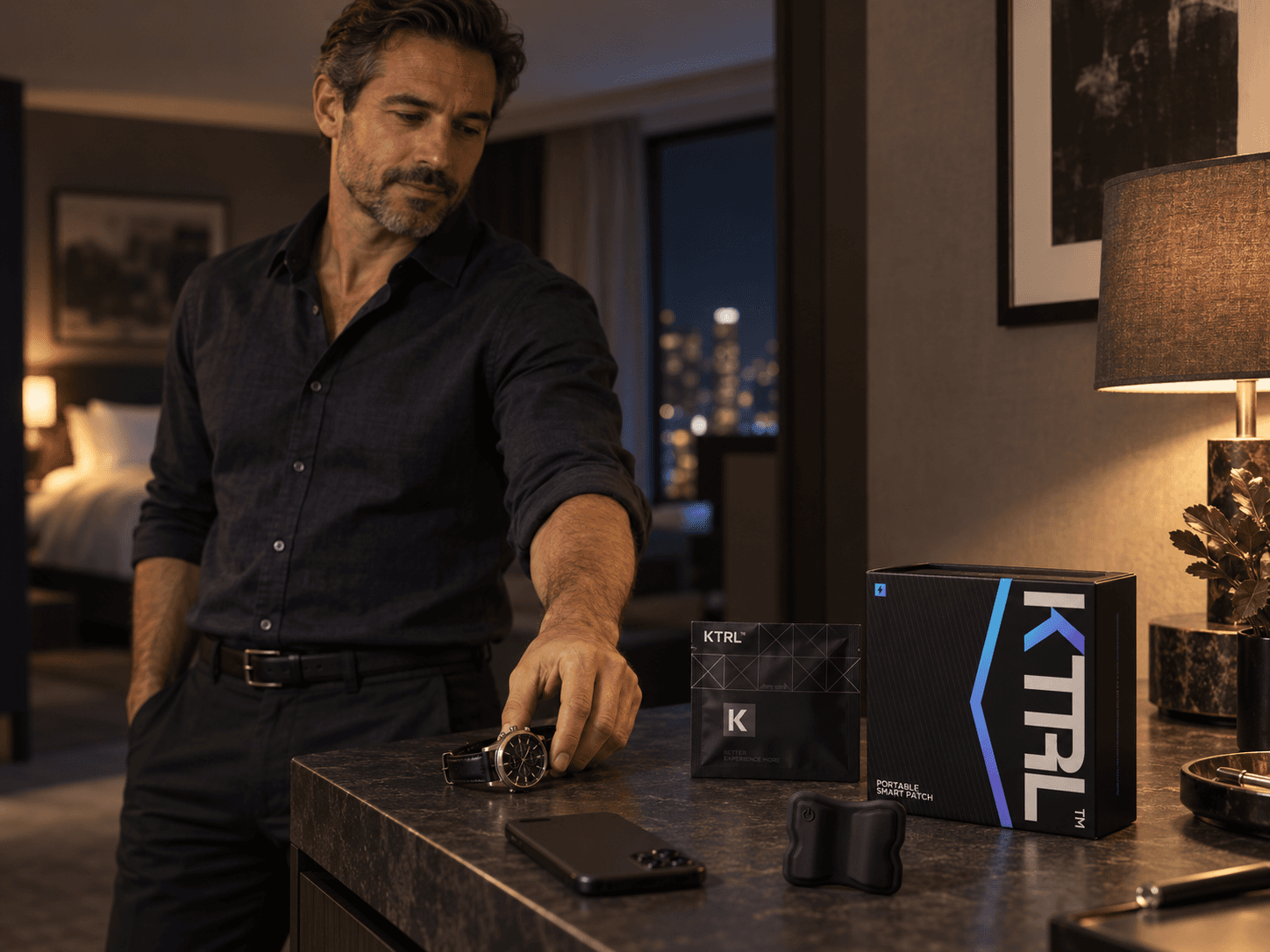
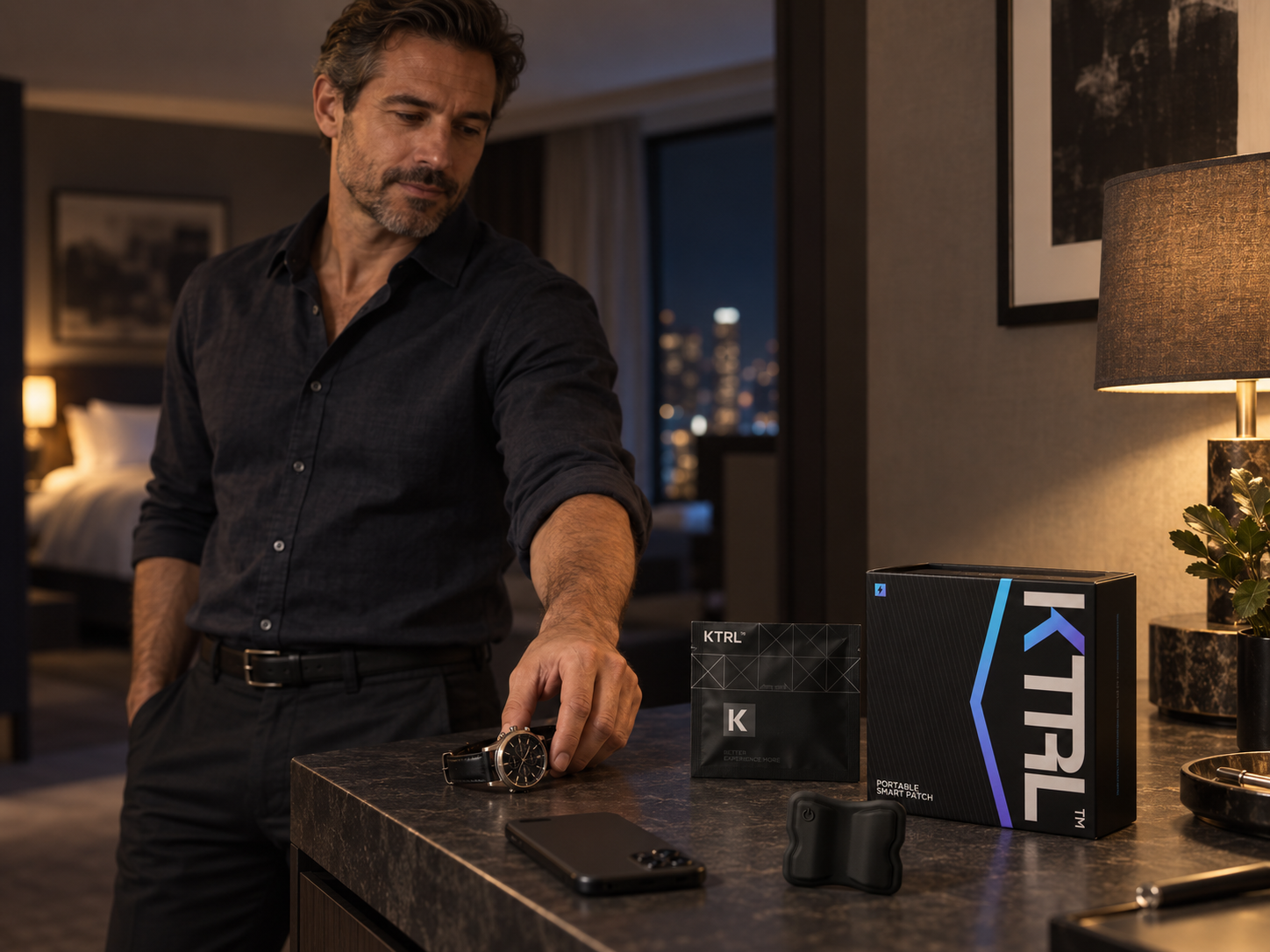
KTRL Portable Smart Patch, model WDC201, adds rhythmic physical sensation through external skin contact. Evidence supplied for this article does not establish that it keeps an erection, prevents its loss, reduces anxiety or trains a more controlled pace.
A sensory preference is not an erection test
You may choose to notice a rhythm if you already want that sensation. Do not rely on it to identify an arousal threshold, tell you when ejaculation will occur or make a pause medically safe. The people involved retain the decisions about activity and consent.
For the distinction between personal pacing choices and claims about combined treatment, read KTRL with pacing, pauses and stop-start techniques.
Use restrictions and stopping rules still come first
WDC201 is intended for adult men aged 18-60, inclusive. Do not use it if a restriction applies, consent is missing or you cannot follow the complete instructions.
Track time: use no more than 30 minutes of cumulative powered-on time during the same use. Activity pauses still count while the patch remains on; switched-off time does not count, and restarting continues the previous total. Track the total yourself.
Adjust only during the same use: for inadequate adhesion or position correction, switch off before removal and reattachment. This does not reset the allowance or permit a later session with the used patch. Gentle bending for skin fit is permitted; excessive bending or folding is not.
Stop for discomfort or a fault: pain, stinging, burning, redness, swelling, itching or other obvious discomfort means stop immediately, switch off and gently remove the patch. Persistent discomfort means discontinue further use and consult a qualified professional. Stop an abnormal or malfunctioning product and contact KTRL Support.
Read the full first-use checklist for the operating sequence. KTRL is a consumer electronic product, not a medical device, and is not intended to diagnose, treat, alleviate, monitor or prevent a disease or medical condition.
When to seek professional advice
Seek qualified assessment when erection difficulty is recurring, distressing, sudden or accompanied by pain or another unexplained change. You do not need to finish a series of product attempts first.
What to take to an assessment
The NIDDK assessment guidance describes medical, sexual and mental-health history, examination and tests when appropriate. You can describe when the change began, whether it recurs, what happened first, medicines or supplements, pain and how the situation affects you. A response during masturbation or on another occasion does not replace that assessment.
For related next steps, read sorting pressure from a timing concern and when to stop testing products and seek advice. These pages are reading routes, not a diagnosis or permission to use a restricted product.
Frequently asked questions
Does rushing because I fear losing an erection prove the problem is psychological?
No. Fear may be part of the sequence, but physical, medicine-related, emotional and lifestyle contributors can coexist. Describe the sequence without assigning yourself a cause.
Do I need to pause at a particular speed to fix the pattern?
No. There is no prescribed pace in this communication aid. Decide freely whether to continue, change activity, pause or finish, and seek assessment for recurring or distressing difficulty.
Can KTRL maintain my erection or tell me when to pause?
Product evidence supplied for WDC201 does not establish that it maintains an erection, identifies an arousal threshold or makes a pause medically safe.
When should I stop trying a product and seek advice?
Seek qualified advice for recurring, distressing, sudden or painful erection difficulty, or another unexplained change. Stop the product immediately for pain, burning, swelling, itching or other obvious discomfort.
Sources
National Institute of Diabetes and Digestive and Kidney Diseases. Symptoms & Causes of Erectile Dysfunction. Last reviewed October 2024; accessed 13 October 2026.
National Institute of Diabetes and Digestive and Kidney Diseases. Diagnosis of Erectile Dysfunction. Last reviewed October 2024; accessed 13 October 2026.
KTRL. KTRL Patch User Guide. Product purpose, restrictions and operating instructions for WDC201. Accessed 13 October 2026.
NIDDK provides general health information, not KTRL evidence. No documented review by a named qualified healthcare professional has been supplied for this article. The possible sequence and communication prompts are editorial explanations.