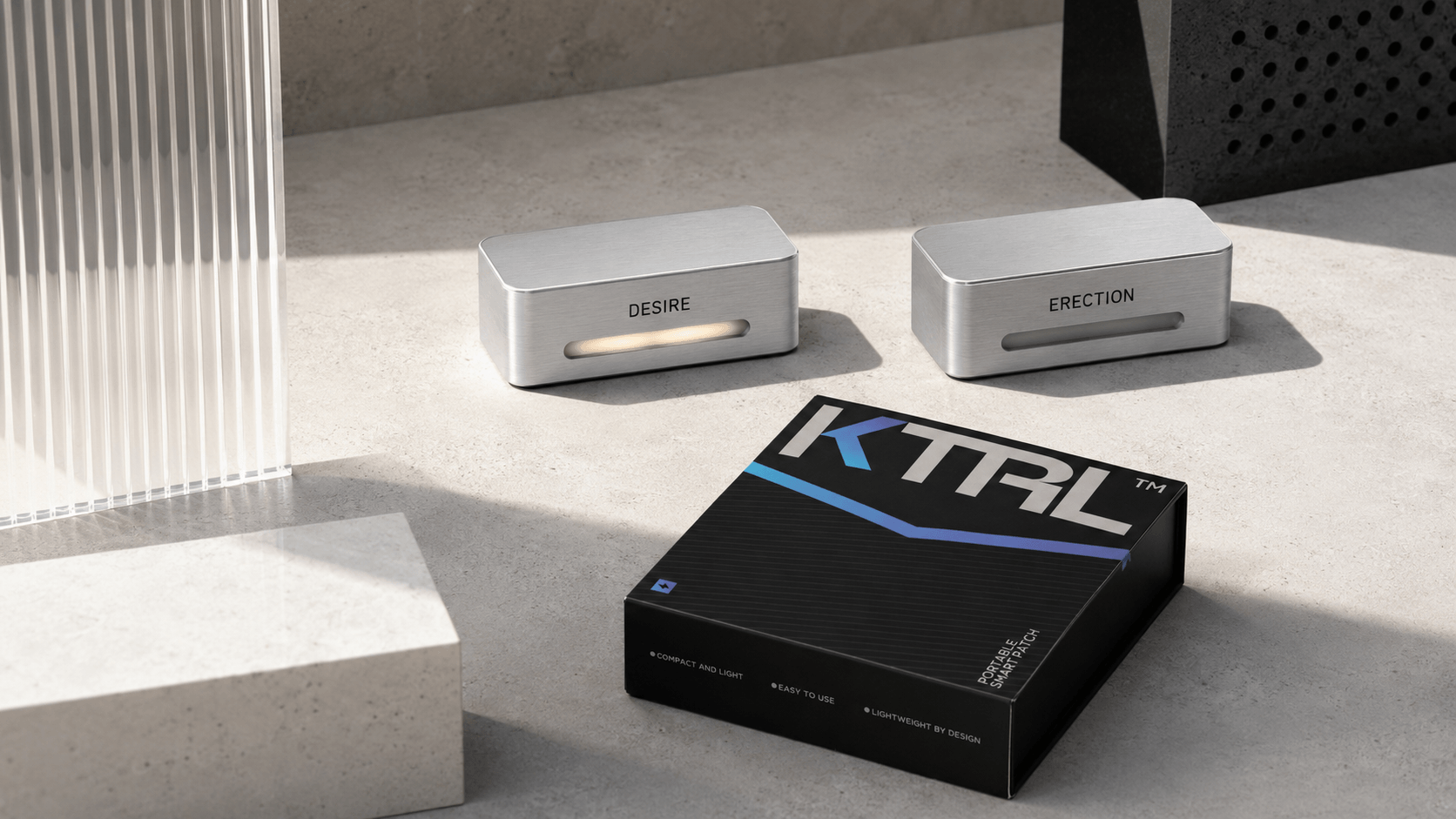
Low libido and erectile dysfunction are different concerns. Low libido means reduced sexual interest or desire. Erectile dysfunction means difficulty getting or keeping an erection firm enough for sex. A person can experience either one alone, both at the same time, or one as a reaction to the other.
The shortest useful distinction
· Libido asks: “Do I feel interested in sexual activity?”
· Erection asks: “When sexual activity is wanted, can I get and keep the physical firmness needed?”
The National Institute of Diabetes and Digestive and Kidney Diseases defines ED around getting or keeping an erection firm enough for sex (NIDDK). UCSF describes decreased libido as lower sexual desire and recommends looking separately at other sexual concerns, health, medicines, psychological factors, and relationship context (UCSF Department of Urology).
If the terms still feel blurred, start with Erection, Arousal, Desire, Ejaculation, and Orgasm Are Not the Same Thing.
Compare the signals side by side
Question
Low libido
Erectile difficulty
Main concern
Less interest in sexual activity
Difficulty getting or keeping an erection
Can desire still be present?
Desire is the signal that feels reduced
Yes; strong desire can be present with erection difficulty
Can an erection still occur?
Yes; spontaneous, morning, or context-specific erections may still occur
Erections may be inconsistent, shorter-lasting, or absent in relevant situations
What should be tracked?
Interest, initiation, fantasies, context, onset, distress
Firmness, consistency, duration, context, onset, distress
What else matters?
Mood, stress, fatigue, medicines, hormones, health, relationship context
Vascular, nerve, hormone, medicine, emotional, lifestyle, and relationship context
Does it prove lack of attraction?
No
No
The table helps organize observations. It cannot identify a diagnosis or cause.
You can want sex and still have erection difficulty
Some men describe clear desire but difficulty getting hard or staying hard. That pattern points to an erection question rather than automatically to low libido.
NIDDK notes that ED can involve getting an erection sometimes but not every time or getting one that does not last long enough (NIDDK symptoms and causes). Relevant contributors may include health conditions, medicines, emotional issues, and lifestyle behaviors. Context alone does not reveal which contributor applies.
Read Why Can I Want Sex but Still Have Trouble Getting Hard? if that is the main pattern.
You can have an erection without much desire
An erection is a physical response. It does not provide a complete report of interest, intention, attraction, or consent. Morning erections, spontaneous erections, or a response to physical stimulation can occur even when the person does not feel much desire for sexual activity at that moment.
This distinction protects both partners from a harmful assumption: an erection does not obligate someone to continue, and the absence of an erection does not prove the absence of attraction.
For the desire definition, use What Does Low Libido Mean in Men?.
Low desire and ED can also occur together
Sometimes the two signals change during the same period. They may share context, such as stress, depression, fatigue, a medicine, a health condition, or relationship strain. In other cases, a repeated erection concern leads the person to avoid sexual situations, and desire seems lower because intimacy has become associated with pressure.
UCSF notes that low desire may sometimes follow another sexual difficulty, including ED or PE, as the person adapts by avoiding situations where he fears failure (UCSF). This is one possible sequence, not a conclusion to apply automatically.
Testosterone is one question, not the whole answer
Low testosterone can be relevant to sexual desire in some men, but the presence of low libido does not prove a hormone problem. UCSF recommends a detailed history and indicates that testing may be useful in some cases, while also reviewing medicines, psychological or neurological history, systemic illness, and relationship factors (UCSF).
Likewise, ED does not automatically mean low testosterone. NIDDK lists multiple vascular, nerve, hormone, medicine-related, emotional, and lifestyle contributors (NIDDK).
Avoid using an online symptom list to select hormones or supplements. A professional can decide which history, examination, or tests are appropriate.
Use a desire–erection–context worksheet
Desire
· Do I feel less interested in sexual activity than my usual baseline?
· Is the change general or specific to one situation or relationship?
· Do I still experience fantasy, curiosity, or responsive interest in some contexts?
Erection
· Is the difficulty getting firm, staying firm, or both?
· Does it occur during morning, solo, or partnered situations?
· Did it begin suddenly or gradually, and is it repeated?
Shared context
· Did stress, sleep, mood, health, pain, medicines, substances, or relationship dynamics change?
· Is anxiety about one sexual concern reducing interest in future encounters?
· Is the main impact personal distress, avoidance, partner misunderstanding, or conflict?
Bring the worksheet to a qualified professional. Do not treat a pattern in one column as proof of the cause in another.
When partners confuse desire with erection
A partner may see erection difficulty and think, “He is not attracted to me.” A man with low desire may attempt sex to avoid hurting the partner, then feel monitored. The couple can end up arguing about love or fidelity when the unanswered question is actually about desire, erection, health, pressure, or several of these together.
Try saying:
“I want to separate my interest from my erection response so neither of us has to guess. I care about our relationship. I would like to describe what has changed and decide whether we need health guidance, less pressure, or a different conversation about intimacy.”
When to seek qualified guidance
Consider professional support when either change is persistent, recurrent, sudden, distressing, or affecting the relationship. Mention other symptoms, medicines, substance use, mood, sleep, health changes, pain, and whether the concern is situational or general.
NIDDK says ED can be a sign of another health problem and recommends professional diagnosis based on medical, sexual, and mental-health history plus appropriate examination or tests (NIDDK). UCSF similarly recommends evaluation for persistent or troubling low desire (UCSF).
Where a private wellness routine can fit
Once the desire and erection questions are separated, some adults may also want an optional private routine focused on sensory rhythm, deliberate pacing, and shared attention. The discreet male wellness routine guide helps identify whether that experience matches the person's current goal and level of interest.
Join the KTRL email list for future no-shame education and verified product facts before deciding.
KTRL Portable Smart Patch is a consumer lifestyle product for adult external use; it is not intended to diagnose or treat a medical condition, individual experiences vary, and users should follow the printed instructions and seek qualified professional advice for persistent or distressing concerns.
Frequently asked questions
Can I have low libido and still get erections?
Yes. Desire and erection are different signals. Spontaneous or context-specific erections can occur even when interest feels low.
Can I want sex and still have ED?
Yes. A person may have clear desire while experiencing difficulty getting or keeping an erection.
Does ED mean I am no longer attracted to my partner?
No. Erection response is not a reliable test of attraction. Health, medicines, emotions, context, and other factors may matter.
Should I get my testosterone checked?
That decision depends on the full history and other signs. A qualified clinician can decide whether hormone testing or another evaluation is appropriate.