Premature-ejaculation concerns and performance anxiety can reinforce each other. Worry about the next encounter may increase self-monitoring, tension, rushing, and fear of disappointing a partner; an earlier-than-wanted result may then deepen shame and anticipation. This is one possible loop, not proof that anxiety is the only cause of a timing pattern.
What the loop looks like
The loop often begins before sexual activity:
1. Anticipation: “What if I finish too early again?”
2. Performance demand: “I must last long enough this time.”
3. Self-monitoring: attention shifts toward time, arousal level, erection firmness, and the partner's reactions.
4. Tension or rushing: the person tries to control every change or moves quickly because the erection feels uncertain.
5. Unexpected result: ejaculation occurs sooner than wanted, or the encounter feels disconnected.
6. Shame and interpretation: “I failed,” “My partner must be disappointed,” or “This proves something is wrong with me.”
7. Avoidance or renewed vigilance: intimacy is postponed, affection becomes tense, or the next encounter starts with even more monitoring.
The cycle can begin at any point. It can also stop at more than one point.
Why anxiety belongs in the review—but not as an automatic answer
ISSM lists anxiety, stress, worry about PE, low self-esteem, erectile dysfunction, and relationship issues among factors that may contribute to PE (ISSM). EAU guidance reports that PE can itself be associated with anxiety, shame, and partner strain (European Association of Urology).
That means the direction may differ. Anxiety may be present before the timing concern, develop because of repeated difficult experiences, or interact with another health, erection, medicine, or relationship issue.
The European Society for Sexual Medicine's 2025 position statements describe sexual-performance anxiety as one of several anxiety patterns clinicians may assess and emphasize how anxiety can interfere across the sexual response cycle (PubMed). The paper is an expert-consensus framework and also identifies evidence gaps, so it should guide questions rather than support a one-cause conclusion.
Self-monitoring can pull attention away from the experience
Useful awareness sounds like: “I notice my arousal rising; I can communicate or change pace.”
Anxious monitoring sounds like: “How many seconds have passed? Am I losing control? Is my partner judging me? Is my erection changing?”
Both involve attention, but they serve different functions. The first supports choice. The second turns sensation into a running evaluation.
If checking erection firmness, timing, or a partner's face has become the main activity in your mind, read The Self-Monitoring Loop for a focused attention map.
The “must last” rule can make intimacy feel like an exam
A private preference for more time is understandable. Pressure grows when that preference becomes a rigid rule about worth, masculinity, or a partner's satisfaction.
Examples include:
· “A capable man should always control the exact moment.”
· “If I finish early, my partner will stop wanting me.”
· “The entire encounter only counts if penetration lasts long enough.”
These beliefs add a relationship verdict to a bodily event. They also hide other ways partners may experience intimacy, pleasure, affection, and communication.
Use Why Minutes Alone Do Not Define Premature Ejaculation to separate a clinical framework from a stopwatch target.
Map your own version of the cycle
Stage
What happened for you?
Possible interruption
Before
What prediction appeared?
Replace the prediction with one observable intention
During
What were you monitoring?
Widen attention to breath, touch, pace, comfort, and communication
Choice point
Did you feel able to pause or change pace?
Use clear language before urgency peaks
Result
What actually happened?
Describe it without a character judgment
After
What story did you tell yourself or your partner?
Separate the event from attraction and worth
Next time
Did you avoid, rush, or prepare differently?
Choose one low-pressure change rather than a perfect outcome
A helpful observable intention is: “We will communicate when pace needs to change.” A high-pressure outcome is: “I will reach an exact minute target.”
Relationship tension can keep the loop running
Silence leaves room for guesses. The man may withdraw because he feels ashamed; the partner may interpret the withdrawal as rejection or lost attraction. A partner who asks repeated performance questions may be seeking reassurance, while the man may hear criticism. Both people can become protective.
Try this reset:
“I notice that worry about timing is making me monitor the whole experience. I care about you, and I do not want us to treat one outcome as a judgment on our relationship. Could we agree on a simple pause word and talk afterward without scoring the session?”
A partner might answer:
“Yes. I can say what I want without turning timing into your grade. We can focus on comfort, communication, and choices we make together.”
This does not promise a particular sexual result. It reduces ambiguity and blame.
Practical ways to interrupt the loop
Before intimacy
· Choose a goal based on communication or awareness, not a required duration.
· Name the worry briefly instead of hiding it.
· Agree that pausing or changing activities is allowed.
· Protect enough privacy and time that the encounter does not begin rushed.
During intimacy
· Notice when attention narrows to one performance signal.
· Widen attention to multiple neutral cues: breath, contact, pace, temperature, and your partner's words.
· Communicate earlier rather than waiting until urgency feels unmanageable.
· Treat a pause as a choice, not evidence of failure.
Afterward
· Review what felt comfortable and connected before discussing duration.
· Avoid instant cause stories.
· Decide whether the next step is education, another conversation, or qualified support.
When qualified support makes sense
Seek professional guidance when the timing pattern is persistent or newly changed, the anxiety is intense, avoidance is growing, or relationship conflict is becoming difficult to manage. A healthcare professional can review sexual and medical history and coexisting erection or health concerns. A licensed therapist or qualified sexual-health professional may help when anxiety, shame, beliefs, avoidance, or couple communication are central.
Start with the five-part review in Why Do I Finish Sooner Than I Want?. Bring both the timing pattern and the anxiety loop rather than assuming one completely explains the other.
Where a deliberate sensory routine can fit
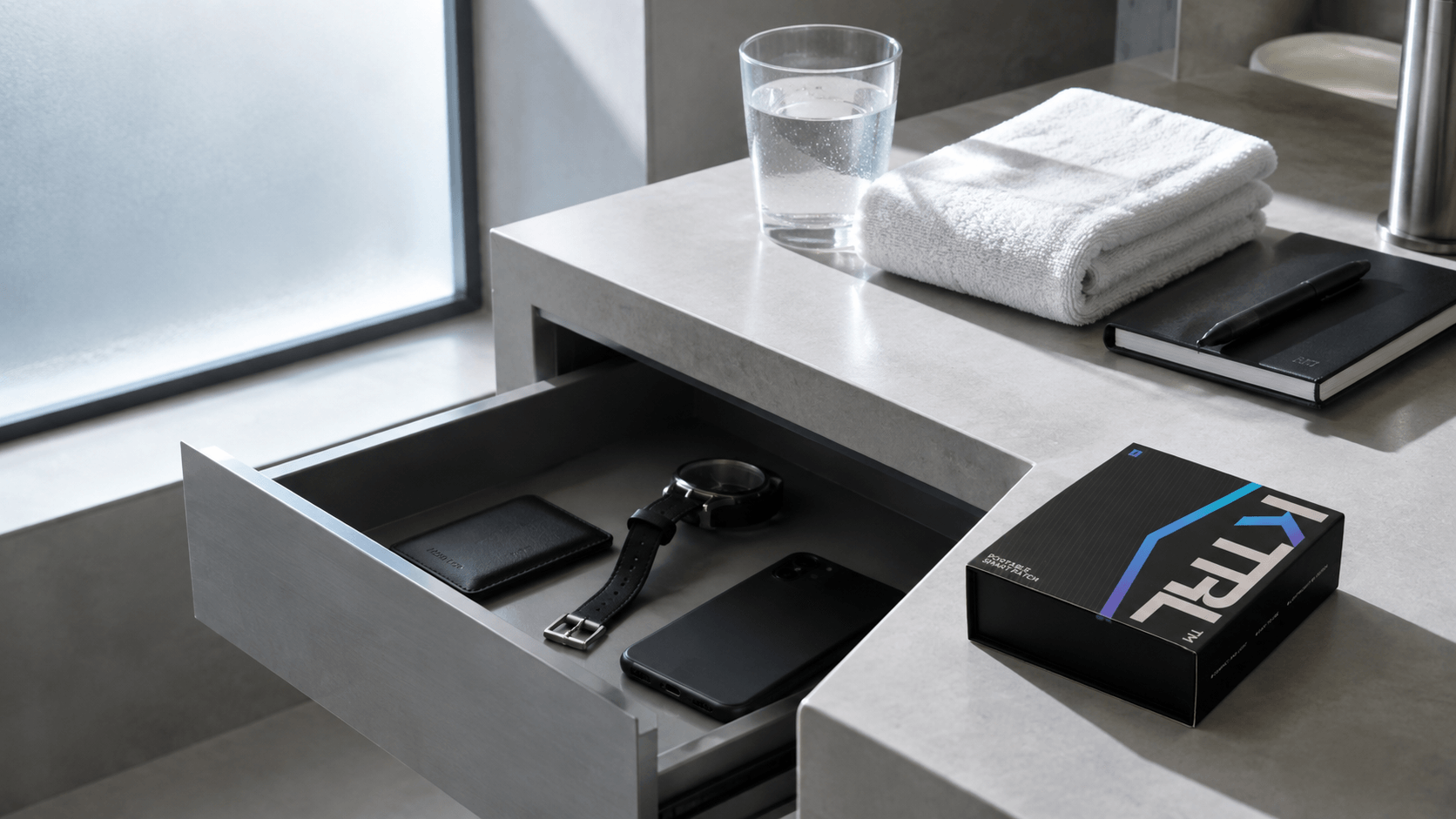
Some adults find value in a planned routine with a clear beginning, a rhythmic sensory cue, deliberate pacing, and shared communication. The discreet male wellness routine guide helps define that consumer-lifestyle goal. The KTRL private-routine fit guide explains KTRL's external, single-use format and how its rhythmic physical sensation can serve as an attention and pacing cue during a chosen adult session.
Join the email list for future no-shame education and product facts.
KTRL Portable Smart Patch is a consumer lifestyle product for adult external use; it is not intended to diagnose or treat a medical condition, individual experiences vary, and users should follow the printed instructions and seek qualified professional advice for persistent or distressing concerns.
Frequently asked questions
Can anxiety make me finish sooner?
Anxiety may contribute for some people, and worry about PE is recognized as relevant context. It cannot be identified as the cause from timing alone.
Can PE create performance anxiety?
Yes. Repeated distressing experiences may create anticipation, shame, or avoidance around future encounters. The relationship can run in either direction or both.
Is paying attention to arousal always unhelpful?
No. Awareness can support choice and communication. The problem is anxious, judgmental monitoring that replaces the experience with continuous scoring.
Who can help with both timing and anxiety?
A healthcare professional can review sexual and medical factors. A licensed therapist or qualified sexual-health professional can address anxiety, beliefs, avoidance, and partner communication when appropriate.